Mar 30, 2026
Why Traceability Fails During Recalls and Audits

The Reason Traceability Systems Fail in Real Plant Conditions
Effective traceability starts with standardized data collection. If the process for capturing production data changes by line, by shift, or by operator, traceability becomes inconsistent before anyone even tries to use it.
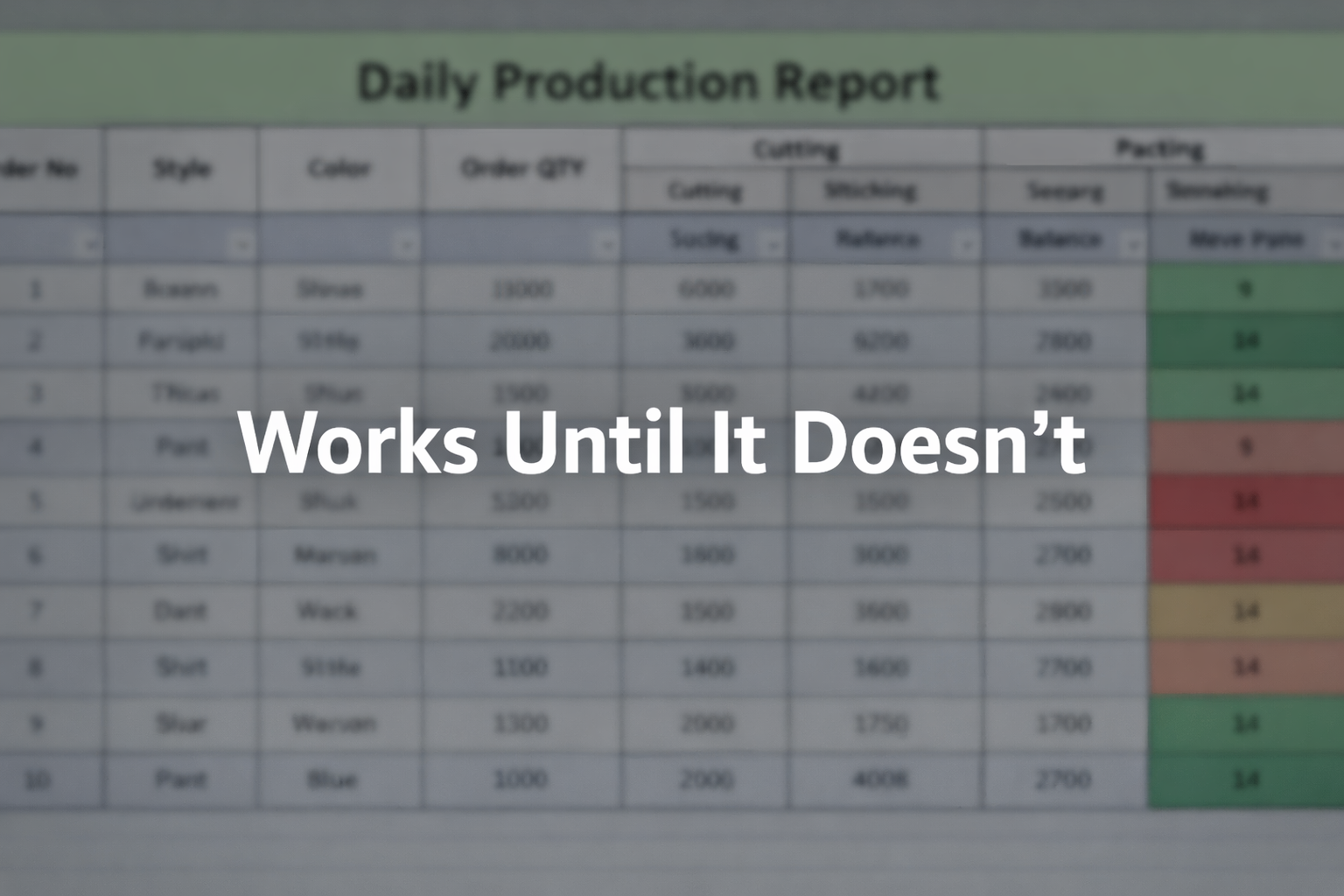
A lot of plants already have the information they need somewhere, but it is spread across machine logs, ERP transactions, paper notes, whiteboards, spreadsheets, and operator memory. That creates gaps, duplicate entry, and too much manual reconstruction when quality, production, or leadership needs a clear answer.
The issue is usually not just missing data. It is a lack of a reliable and repeatable process for collecting the right data in the same way every time, preferably inside one system or a small number of connected systems that support the work as it happens.
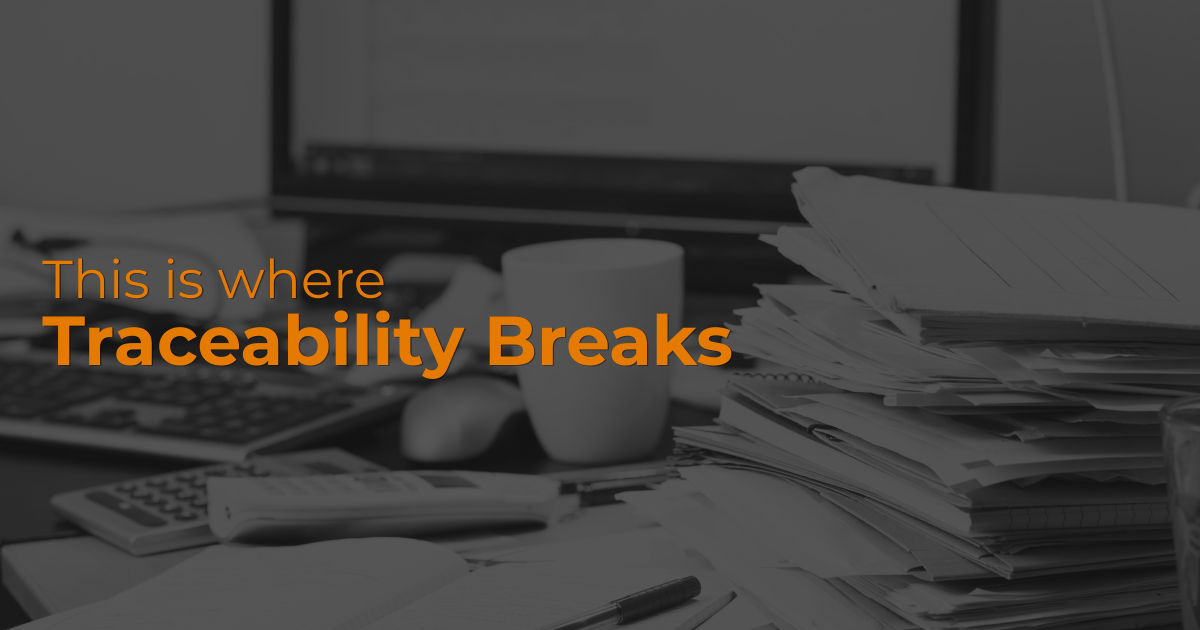
When operators have to stop the job to write notes on paper, track information in a spreadsheet, or remember details to enter later, traceability becomes less dependable. The more manual the process is, the more likely it is that records will be incomplete, delayed, or inconsistent.
That is where many traceability efforts break down. They are designed around what the business wants to see in a report later, instead of how data can be captured reliably during execution without interfering with the work on the floor.
Not every piece of traceability data is equally practical to collect
This is where many projects get off track. Planners get asked what needs to be collected, they just respond with everything.
It is easy to create a long list of desired data points. It is harder to build a reliable collection strategy for each one.
Some questions matter immediately:
Can this data be captured automatically?
Does it need operator confirmation?
Does it depend on barcode quality, machine integration, or manual handling?
What happens if the scan fails or the input is missing?
Will collecting this data interrupt production or create extra burden at the station?
Good traceability design is not about collecting the most data possible. It is about collecting the right structured data, at the right points in execution, in a way the plant can sustain every shift.
That matters because traceability only works when the data is there every time, not just when conditions are ideal.
Report-based traceability versus execution-built genealogy
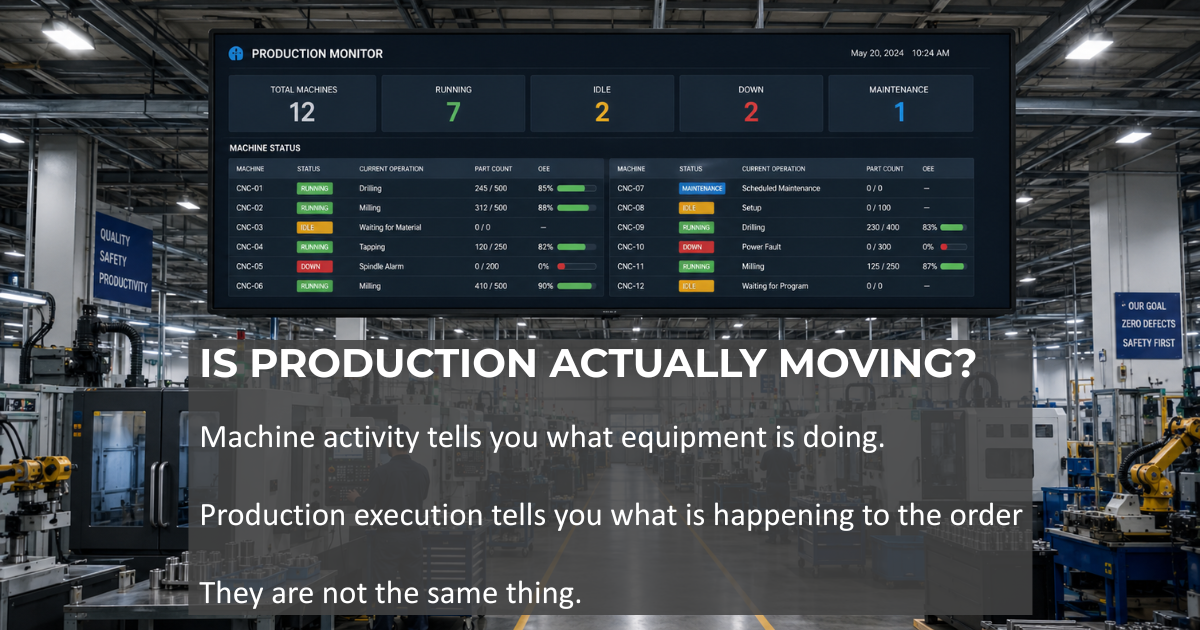
A lot of systems are really report-based traceability.
That means the focus is on making sure some data is collected somewhere so it can appear in a report later. The records may exist, but they are often scattered across historian data, operator entries, machine logs, ERP transactions, and custom spreadsheets. You can eventually piece together the story, but only with manual effort.
That approach creates risk during real events.
When a recall happens, nobody wants to spend hours pulling files from different systems and trying to determine which material was used in which product. When a supplier issue surfaces, the team needs to identify affected WIP, finished goods, and shipment exposure quickly. When an auditor is on site, confidence disappears fast if the answer depends on tribal knowledge and manual reconstruction.
Execution-built genealogy is different.
Instead of treating traceability as a reporting exercise, it is built directly into the manufacturing process. Genealogy is created as work is executed, using structured records tied to the actual production path.
That means the traceability record is not something assembled later. It is created as the product moves through routing, stations, operators, and material consumption points.
The result is data that is not only collected, but also available, searchable, and ready when the business needs it.
That is the difference between having records and having usable traceability.
Why structured execution data works better
Reliable traceability starts with a structured model of execution.
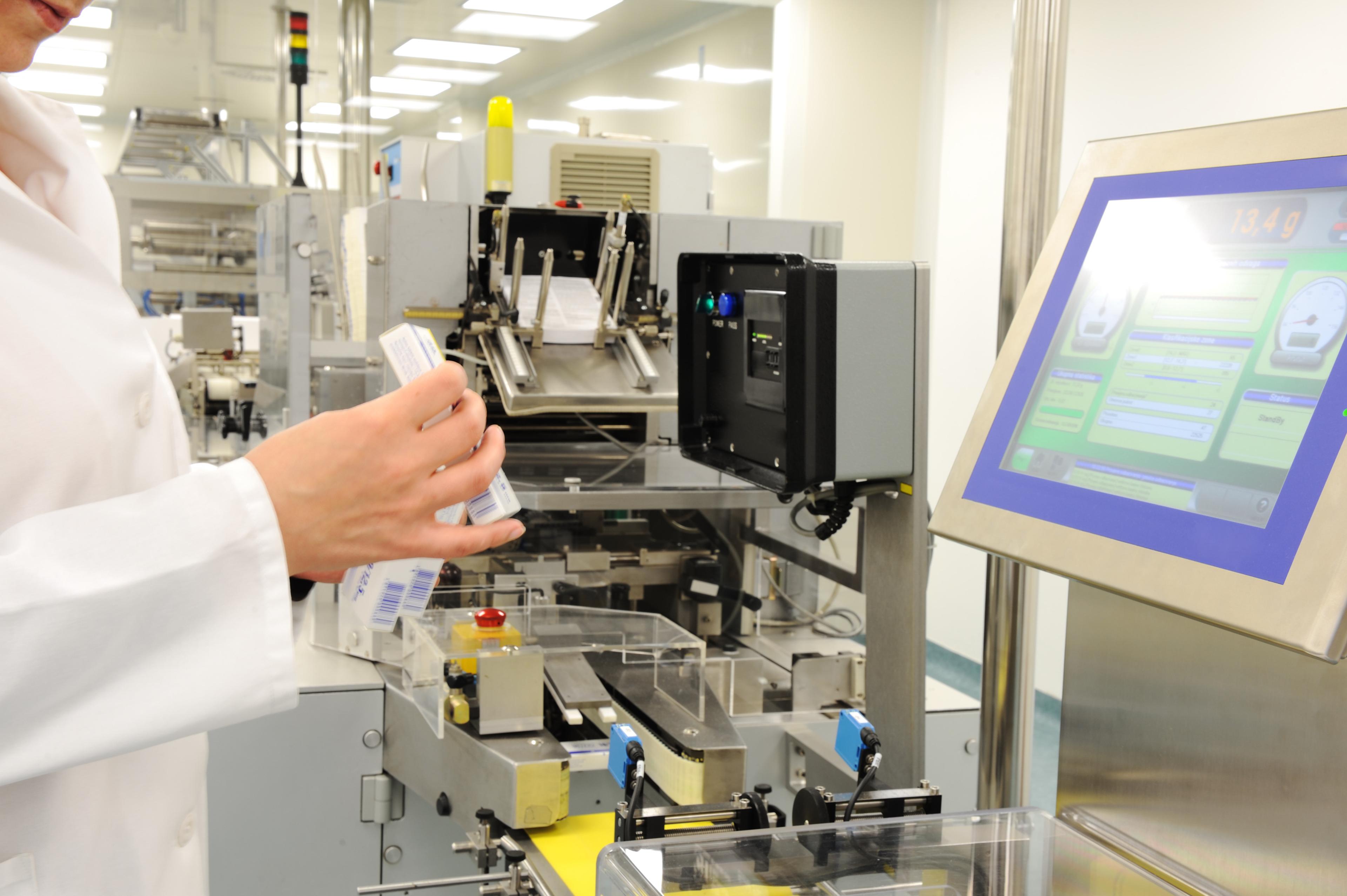
When production events are tied to routing, station, operator, material, and time, the plant gets a clear chain of record without forcing people to stop and create extra documentation outside the job they are already doing.
For example:
A product follows a defined routing through assembly, test, pack, and ship.
At each station, the system records what unit was processed, where it was processed, who performed the step, what materials or components were consumed, and whether the required checks were completed.
That creates a usable genealogy naturally, because the record follows the work instead of asking someone to rebuild the work later.
This also reduces interference with the process.
Operators should not have to become data clerks. Engineers should not have to maintain side systems just to explain production history. Quality teams should not have to chase missing information after a nonconformance is found.
If the execution model is sound, traceability becomes part of normal work, not an extra task layered on top of it.
What this looks like in real plant scenarios
Recall response
A customer complaint identifies a possible defect in a shipped product family.
With report-based traceability, the team starts pulling packaging records, batch logs, operator sheets, and machine data to estimate exposure. The process is slow and usually broad, which increases the scope of the recall.
With execution-built genealogy, the team can search the affected serials, lots, or production orders directly and identify which materials, stations, and process paths were involved. That makes containment faster and more precise.
Supplier material issue
A supplier notifies the plant that a specific incoming lot may be out of specification.
If the traceability system only captured receipt and finished good transactions, the team may know the material entered the plant but not exactly where it was consumed.
If structured genealogy exists at the point of use, the plant can identify which work orders, units, or batches consumed that supplier lot, what is still in WIP, what has shipped, and what can be isolated immediately.
Audit pressure
During an audit, the question is rarely just whether data exists.
The real question is whether the plant can show a consistent, credible production history without delays, exceptions, or manual explanation.
Auditors look for gaps. Missing links between material, process step, operator, and output create doubt very quickly.
When execution data is structured and connected, the plant can show the path clearly. Not because someone built a special report for the audit, but because genealogy already exists as part of how production is executed.
The goal is not more data. The goal is dependable traceability
Plants do not need a bigger pile of records. They need traceability that holds up under real conditions.
That means:
collecting enough data to answer quality and recall questions with confidence
avoiding data collection strategies that create burden or break down on the floor
building genealogy from execution events, not from after-the-fact reporting
structuring records so they are searchable, connected, and usable when time matters
This is what turns traceability from a compliance exercise into an operational capability.
When the data model reflects how the plant runs, traceability becomes stronger and easier at the same time.
Learn more
See how MITS approaches practical traceability and execution-built genealogy on the MITS Traceability & Genealogy page.