Mar 04, 2026
MES vs. Custom-Built Shop Floor Systems

What Is a Custom-Built Shop Floor System?
A custom shop floor system is typically developed internally (or by a contractor) to solve a specific operational need. It may include:
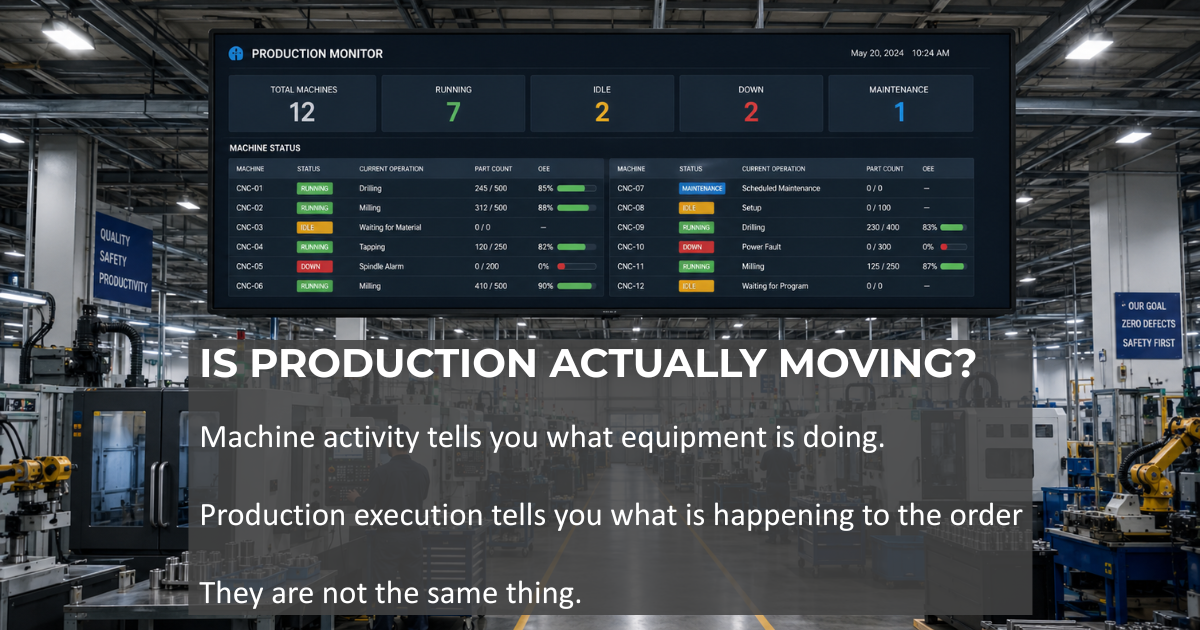
Production tracking databases
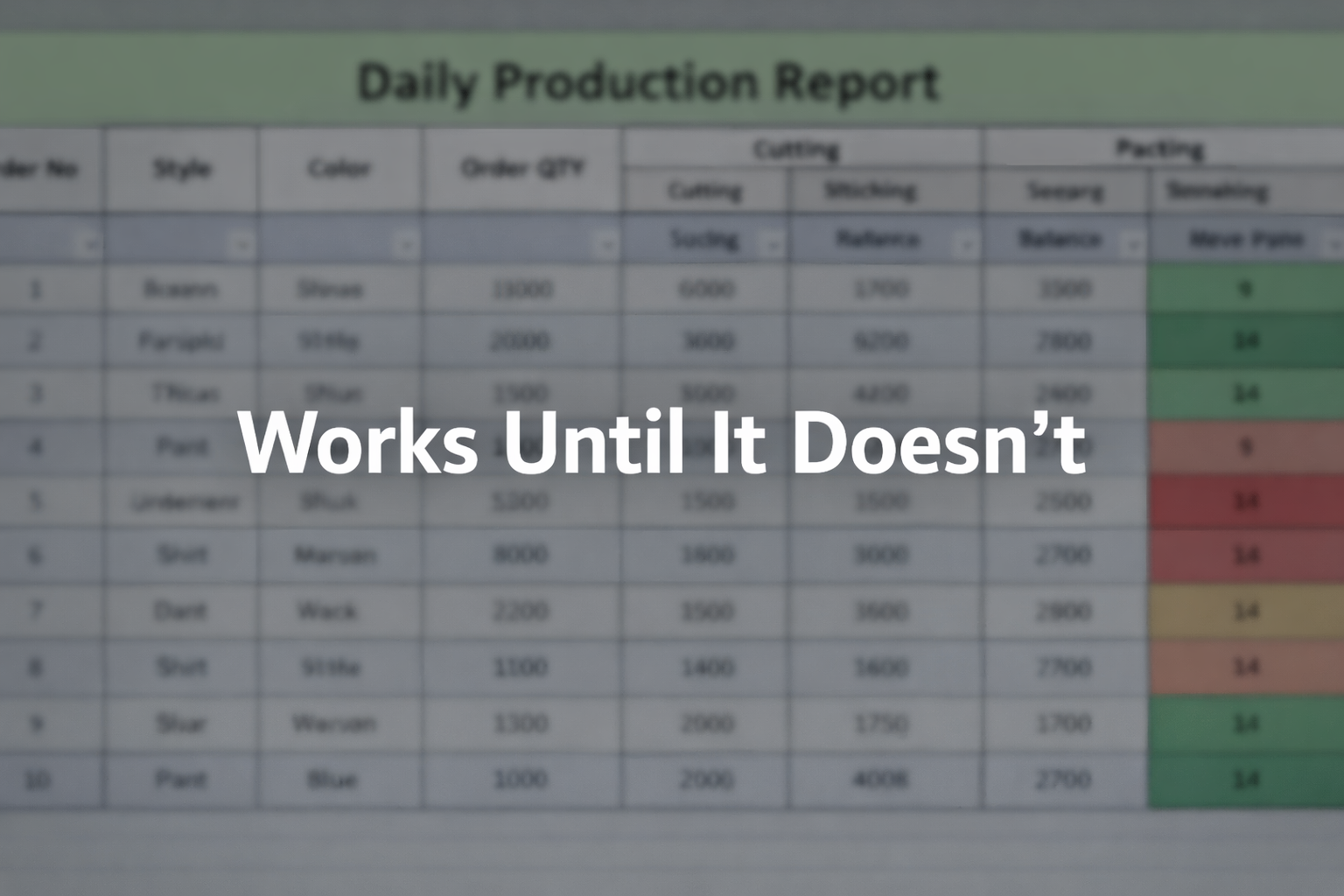
Spreadsheet-based reporting
PLC-driven data collection tools
Basic dashboards
Custom ERP integrations
These systems often work well in early stages. The risk emerges as operations scale.
Key Risks of Custom Shop Floor Software
1. Scalability Risk
Custom systems built for a single production line often struggle when deployed across multiple lines or facilities. Data structures, reporting logic, and workflows may vary by site, making enterprise-wide visibility difficult.
An MES platform is designed for standardized, multi-site deployment.
2. Integration Risk
Modern manufacturers require clean integration with enterprise systems such as:
ERP platforms like SAP S/4HANA
Planning systems
Quality management platforms
Warehouse management systems
Custom-built systems often lack structured APIs, data governance models, and secure integration frameworks. Every integration becomes another custom development effort.
3. Knowledge Dependency Risk
Many custom shop floor systems rely on one or two internal developers.
When those individuals leave, they typically take the expertise with them. Documentation may be limited, and without the experts, modifications become risky and troubleshooting delays increase. This creates operational vulnerability that is rarely factored into initial build decisions.
4. Compliance & Traceability Risk
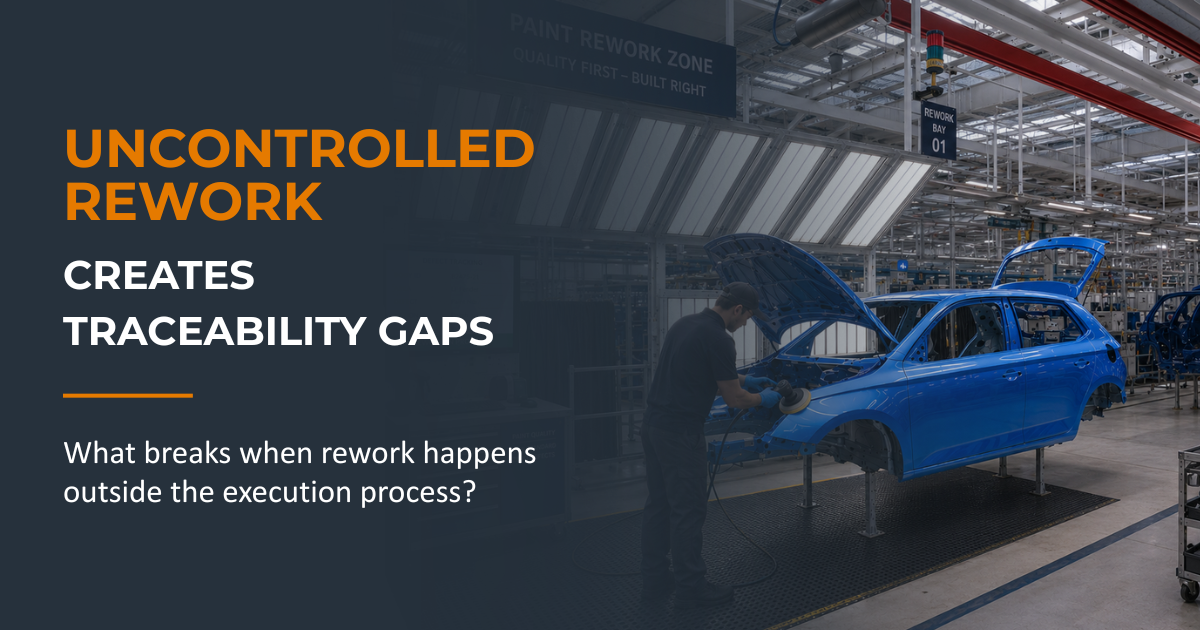
For regulated industries, traceability and audit readiness are critical.
Custom systems may lack:
Electronic signatures
Structured audit trails
Controlled revision history
Secure role-based access
An MES system is typically built with compliance frameworks in mind.
5. Technology Obsolescence Risk
Custom-built systems frequently rely on legacy databases, unsupported software libraries, and aging server infrastructure. Over time, this creates cybersecurity exposure and modernization challenges.
A modern MES platform includes lifecycle management, upgrade paths, and long-term vendor support.
MES vs. Custom System: Total Cost of Ownership
At first glance, a custom system appears less expensive because initial licensing costs are lower, internal resources build the solution, and development happens over time. However, over 5–10 years, costs often increase due to:
Ongoing maintenance
Integration rework
Scalability redesign
Knowledge transfer gaps
Security updates
A properly implemented MES system reduces long-term technical debt and operational fragility.
When Does Custom Software Make Sense?
Custom shop floor systems may be appropriate when:
The scope is narrow and unlikely to expand
Enterprise integration is not required
Regulatory requirements are minimal
The organization has strong long-term internal development support
But for manufacturers pursuing digital transformation, Industry 4.0 initiatives, or multi-site standardization, structured MES platforms reduce long-term risk.
The Strategic Question: Reduce Risk or Defer It?
The MES vs. custom software debate isn’t just about functionality.
It’s about:
Scalability
Standardization
Integration readiness
Compliance assurance
Long-term operational stability
Custom systems often solve today’s problem.
An MES system is designed to support tomorrow’s growth.
Final Takeaway
If your organization is evaluating whether to upgrade from custom-built shop floor software to a modern MES system, the most important consideration is not feature comparison — it’s risk exposure over time.
Manufacturers that prioritize scalability, structured integration, and governance are better positioned for sustained operational improvement.